
Nā Pali Coast Boat Tour vs Kayak: Which Is Right for You?
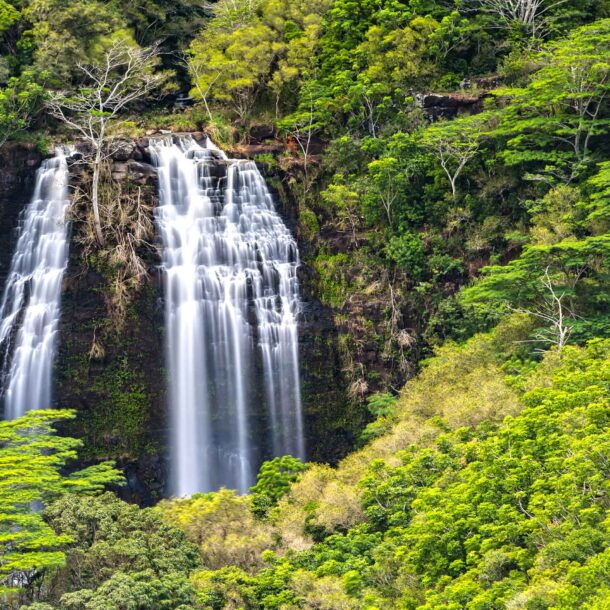
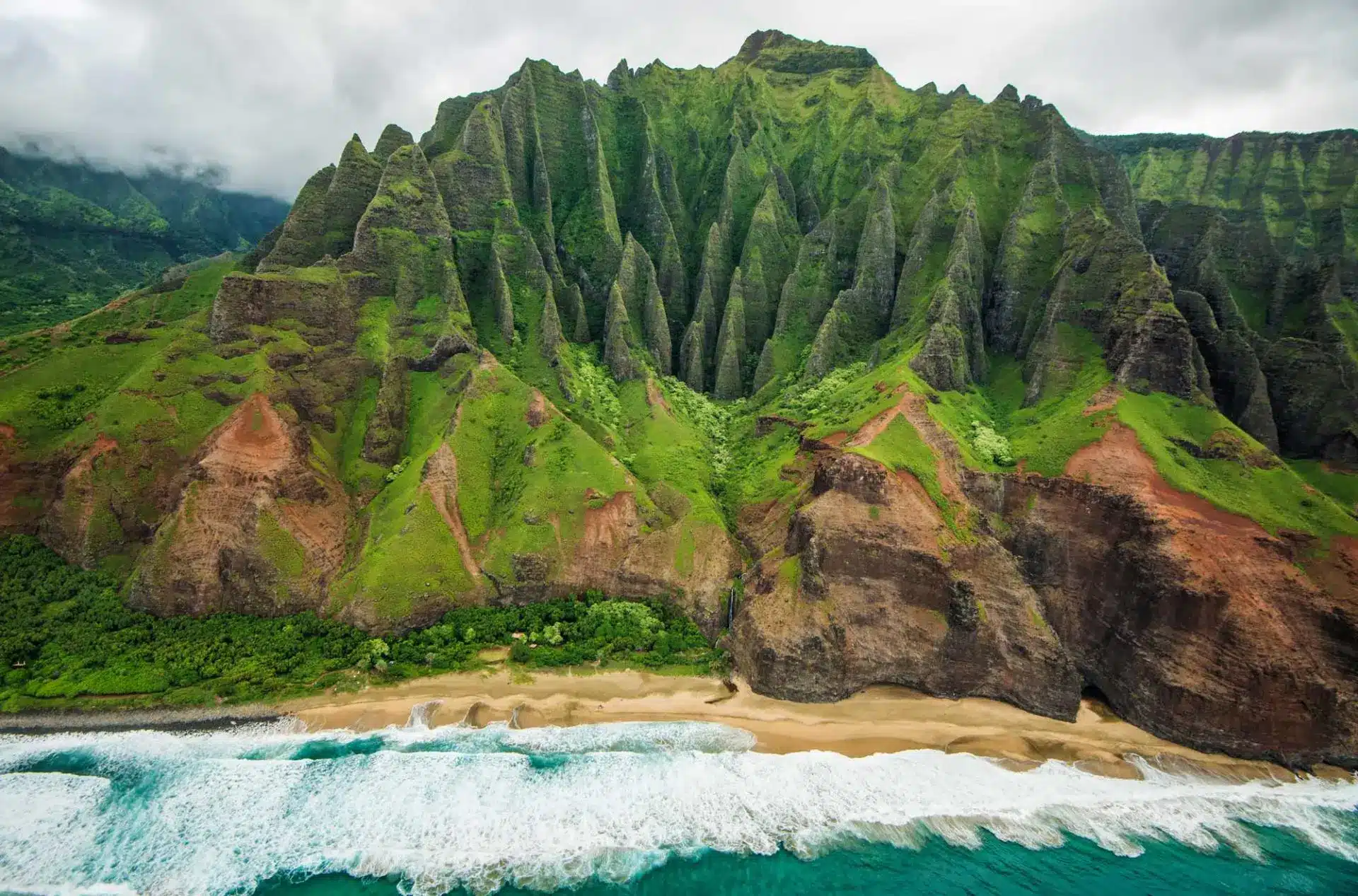
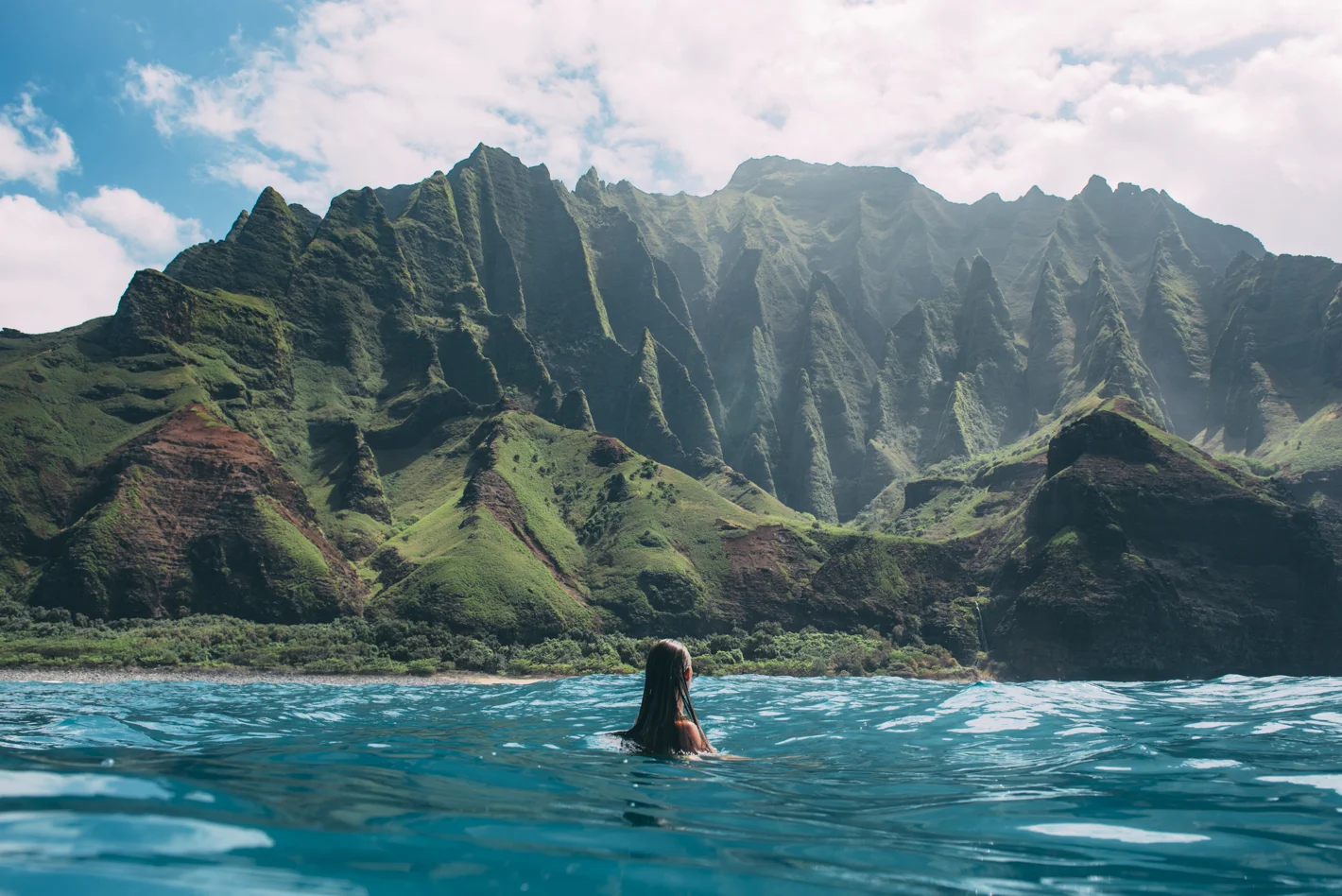
Nā Pali Coast is the reason most people choose Kauaʻi over every other island. The 17-mile stretch of jagged, impossibly dramatic cliffs along the northwest coast — rising up to 4,000 feet from the ocean — is one of the most breathtaking landscapes on earth. But how you see it matters enormously, and the choice between a boat tour, a kayak journey, or hiking the Kalalau Trail will shape your entire experience. Here’s an honest comparison from someone who has watched guests make all three choices.
Option 1: Boat Tour from Hanalei (Summer Only)
The summer boat tour from Hanalei Bay — departing directly from the North Shore — is the most convenient and accessible way to see Nā Pali. These tours typically run from May through September, when the ocean swells are calm enough for the smaller boats to navigate the coast safely.
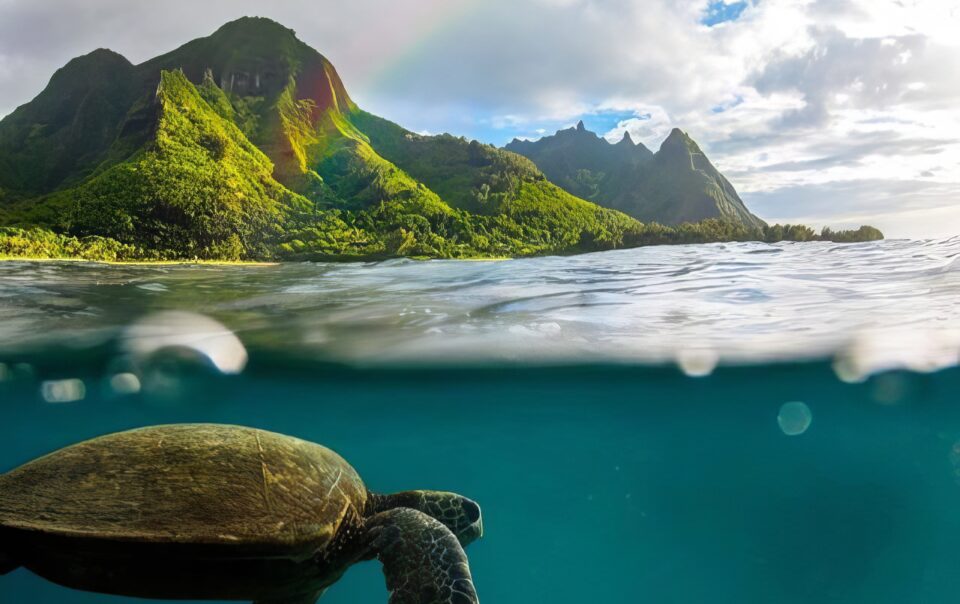
Best for: Families, non-athletic travelers, those wanting wildlife encounters (dolphins, sea turtles, spinner dolphins, and humpback whales in winter), and anyone who wants to see Nā Pali while staying comfortable and dry. You’ll get within a few hundred yards of the cliffs, see sea caves (some tours go inside), watch spinner dolphins bow-ride, and have a guide explaining what you’re looking at.
Companies worth booking:
Na Pali Riders runs smaller inflatable rafts that get closer to the cliffs and into sea caves that larger boats can’t reach. The ride is wilder and wetter — this is an adventure, not a cruise. Captain Andy’s offers a more comfortable catamaran experience — a better choice for those who want stability, a catered lunch, and a calmer ride. Both are excellent and worth booking far in advance.
Winter caveat: When the North Shore is closed by winter swells, boat tours depart from Port Allen on the south side (about 1.5 hours from the North Shore). The tours are still good, but the experience of launching from Hanalei Bay and being part of the North Shore environment is lost.

Free Download
Mark’s North Shore Insider’s Guide
16 pages of local knowledge most visitors never find — the 7 mistakes, secret spots, where locals eat, and Mark’s personal game plan for the North Shore.
No spam. Instant delivery. Written by a 55-year North Shore resident.
Option 2: Kayaking the Nā Pali Coast
Kayaking the full Nā Pali Coast is one of the great adventure experiences available in the Hawaiian Islands — and one of the most physically demanding. This is the authentic way to experience Nā Pali, but it comes with honest requirements.
Only in summer (May through September). The winter swells make this kayak route genuinely dangerous, and it is closed to kayaks. Even in summer, the ocean is dynamic and can change quickly. Day 1 of your kayak journey might require navigating swells of 2-4 feet in open ocean. This is not a beginner kayak experience.
Physical requirement (honest assessment): You should be in good physical condition, comfortable with open-water sea kayaking, and prepared for 6-8 hours of paddling per day. The 14-mile one-way route (most people do it as a multi-day trip with camping) requires camping permits, food planning, and significant gear. The current along the coast can work against you on the return journey. People have gotten into serious trouble attempting this without adequate preparation.
14-mile route and camping: The full journey covers 14 miles of coastline with several campsites along the way (most famous is Kalalau Beach). Camping permits must be reserved through Hawaii’s online permit system — they sell out months in advance. The reward for making the journey: sleeping on a remote beach accessible only by sea or a grueling 11-mile hike, completely cut off from the modern world.
Option 3: Hiking the Kalalau Trail
The Kalalau Trail is one of the legendary hikes in the national park system — 11 miles (one way) along the coast of Nā Pali, gaining and losing thousands of feet of elevation, crossing streams, navigating narrow ledges above the ocean, and culminating at Kalalau Valley, a remote Eden accessible only on foot.
First 2 miles vs. full 11-mile trail: The first 2 miles to Hanakāpīʻai Beach are accessible without a permit and are one of the great short hikes on the island. You’ll get a taste of the Kalalau experience — dramatic coastal scenery, lush vegetation, and the wild energy of Nā Pali — without the full commitment. Adding the 2-mile side trail to Hanakāpīʻai Falls (total 4 miles from the road) creates a full-day hike that many consider the best day hike on the island.
The full 11-mile trail to Kalalau Valley requires a permit, camping equipment, and at least two days. It’s not for casual hikers — the trail is genuinely difficult in places, with significant fall exposure and stream crossings that can be dangerous after rain. But for those physically prepared, it’s one of the most extraordinary wilderness experiences available in the United States.
Permit requirements: Permits for hiking past the 2-mile mark must be reserved through the Hawaii DLNR system. They open 90 days in advance and sell out quickly during summer. Plan your permit booking date carefully.
Mark’s Recommendation
After 55 years of watching guests experience Nā Pali, Mark’s consistent recommendation: do the boat tour first to see the big picture, then add the Hanakāpīʻai hike if you have the legs for it. If you’re an experienced sea kayaker and the conditions are right, the kayak journey is something you’ll talk about for the rest of your life. But the boat tour is the most reliable, safest, and most universally satisfying way to experience the coast.
The North Shore Base Advantage
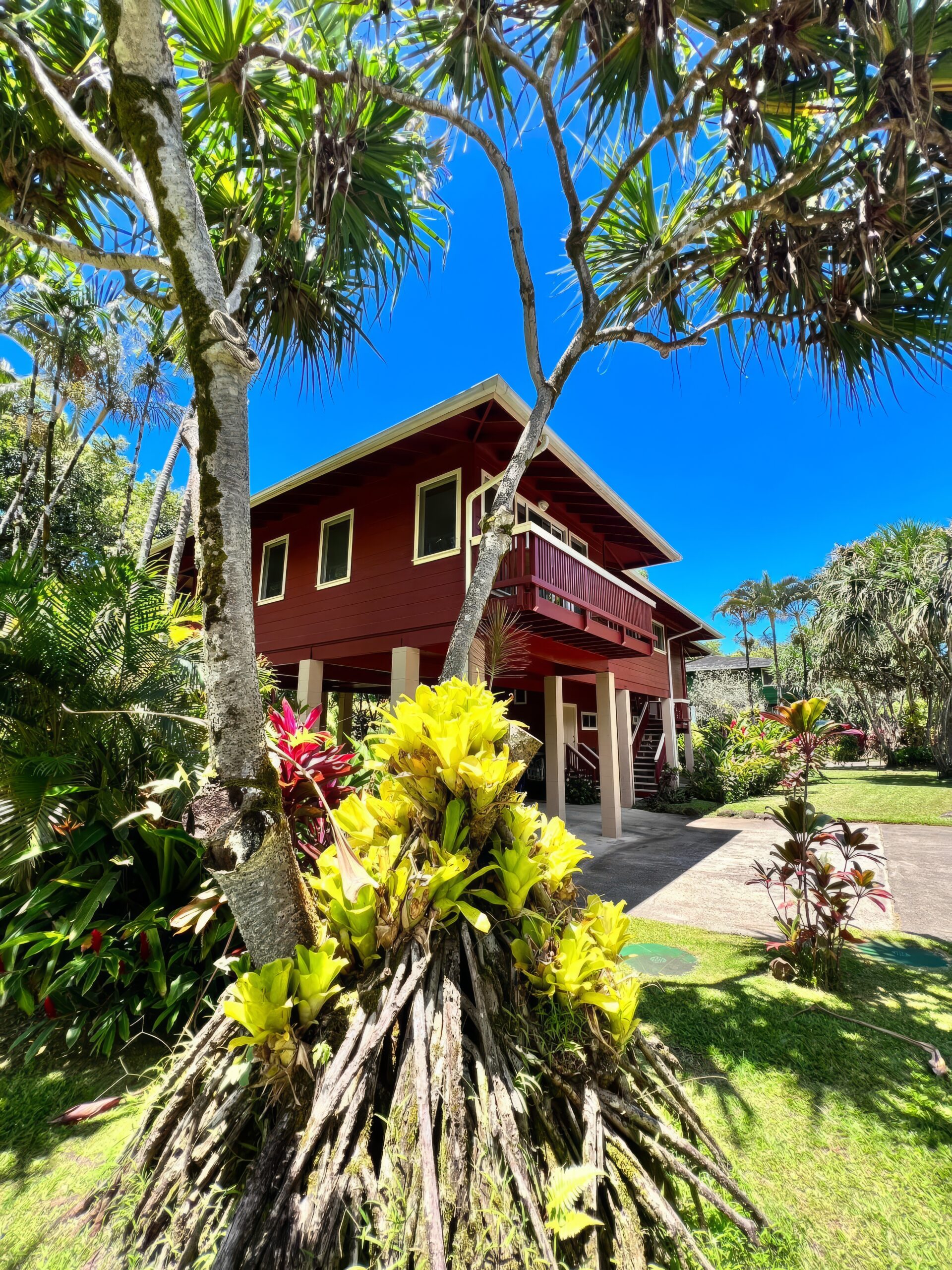
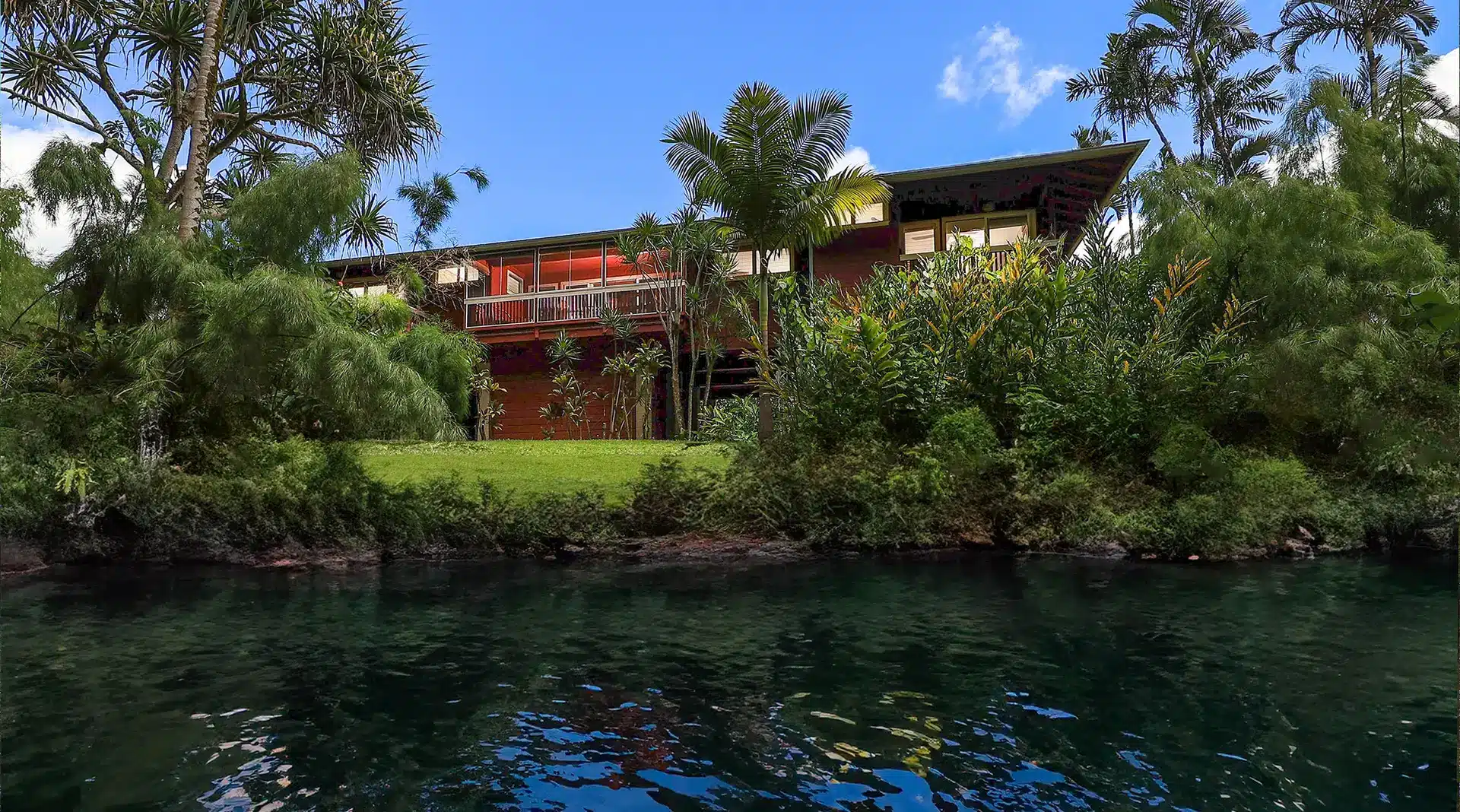
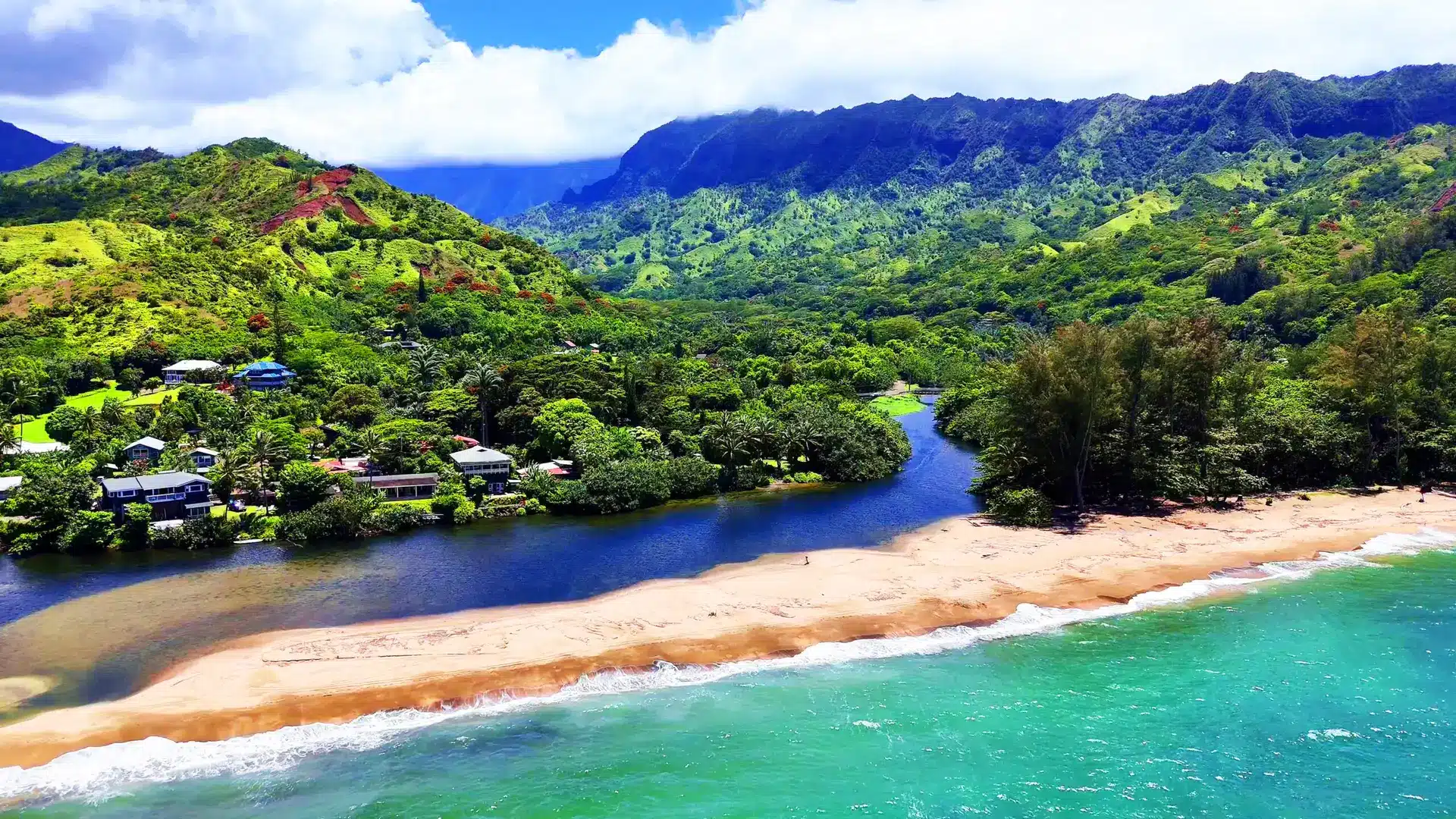
All of these options are dramatically easier from a North Shore base. Launching a boat tour from Hanalei Bay takes 10 minutes from River Estate. Starting the Kalalau Trail requires a 15-minute drive. Launching your kayak from Hanalei Bay is similarly close. Guests staying on the south shore face a 1.5-hour drive each way for the summer boat tours — that’s 3 hours of driving before and after your experience. The North Shore location is a genuine competitive advantage for accessing Nā Pali.
Before You Go
Grab Mark’s Free North Shore Kauaʻi Insider’s Guide
Everything above is just the beginning. Mark’s free 16-page guide covers the 7 mistakes, the complete North Shore game plan, where locals eat, and spots most visitors never find — all in one free download.
n
Want to see the Na Pali cliffs from the trail instead? Our best Kauai hikes guide includes the Kalalau Trail and other Na Pali viewpoint trails. See all the things to do in Kauai for more adventure options.
n
Sleep ten minutes from the coast
Wainiha is the last quiet stretch before the road ends at Kee.
North Shore Kauai vacation rentals →The Riverhouse