
Kauaʻi Snorkeling Guide: Best Spots on the North Shore (A Local’s Take)
Kauaʻi’s North Shore is one of the most spectacular snorkeling destinations in all of Hawaii — but it’s not the same as snorkeling in Maui or Oahu. The conditions here are seasonal, specific, and when they’re right, absolutely extraordinary. After 55 years on the North Shore, Mark Barbanell has guided countless guests to the best spots, and this guide shares exactly what he tells every visitor before they hit the water.
Why North Shore Snorkeling Is Different (And Better in Summer)
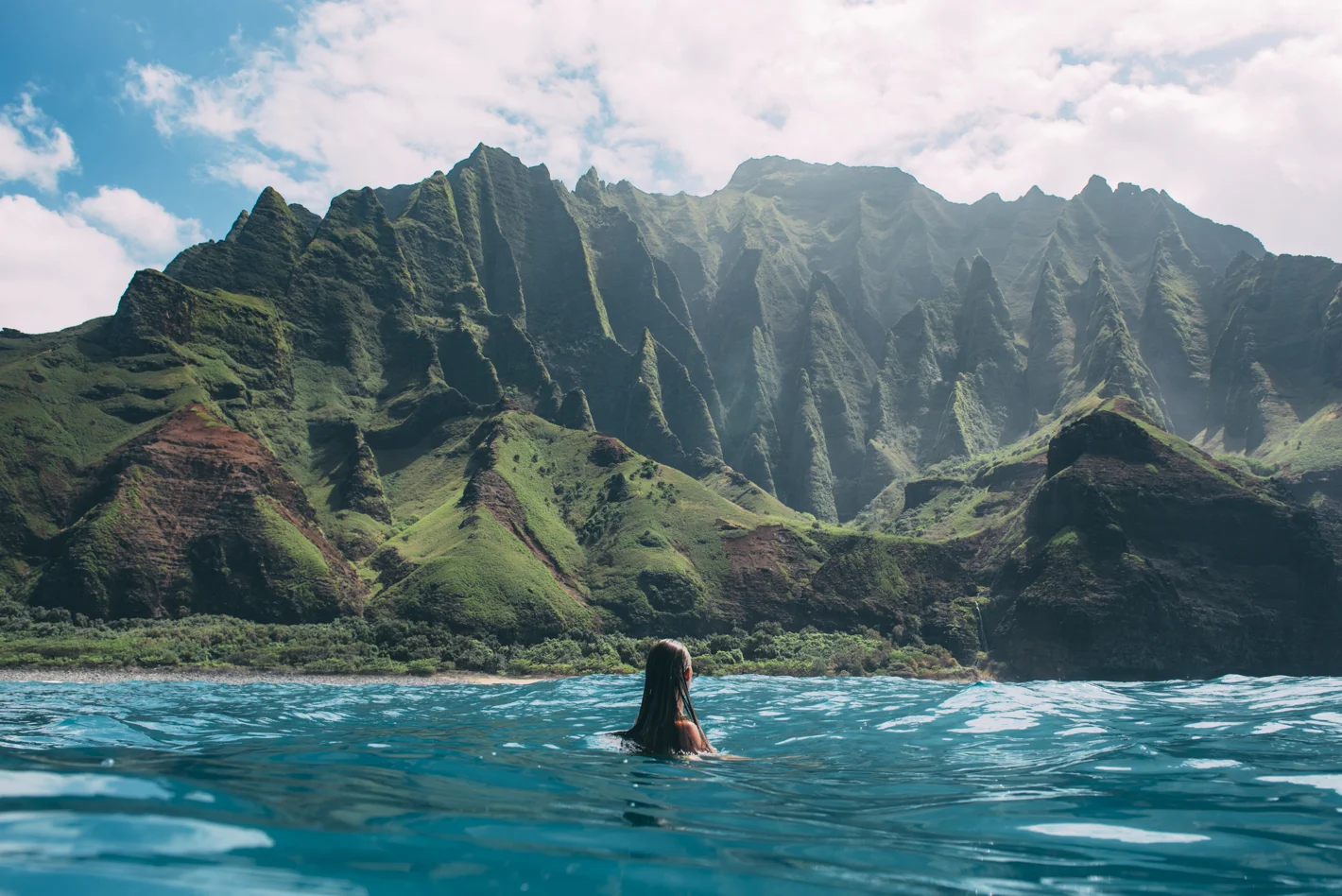
The North Shore of Kauaʻi faces north, which means winter swells from the Pacific make the water rough and dangerous from roughly October through April. But in the summer months — May through September — the ocean settles into a glassy calm that transforms these beaches into some of the best snorkeling in the world. The coral reefs here are alive and thriving, the water is crystal clear, and the marine life is abundant in a way that surprises even experienced snorkelers.
The key difference from other Hawaii snorkeling spots: North Shore reefs are less disturbed by tourism. You’re not swimming alongside 200 other snorkelers. You’re exploring relatively undisturbed reef ecosystems where turtles, reef fish, and even spinner dolphins feel at home. This intimacy with nature is what makes North Shore snorkeling so memorable.
The Best Snorkeling Spots on the North Shore
Tunnels Beach (Haʻena)
Tunnels is the crown jewel of North Shore snorkeling. Named for the underwater lava tube formations that create caverns and swim-throughs, Tunnels offers the most diverse marine life of any beach on the island. The outer reef drops to about 25 feet, and you’ll encounter Hawaiian green sea turtles (honu) resting on the coral, clouds of reef fish — parrotfish, triggerfish, and the brilliantly colored Hawaiian state fish, the humuhumunukunukuapuaʻa — and, if you’re lucky, a white-tipped reef shark.
To reach Tunnels, you’ll need the Haʻena State Park reservation via the state’s online booking system (book months in advance). The beach itself is about a 5-minute walk from the parking area. Enter from the left side of the beach for the best reef access. The right side can have stronger current, especially on higher-tide days.
ʻAnīnī Beach
ʻAnīnī is Mark’s go-to recommendation for beginners and families. A natural fringing reef runs parallel to the beach, creating a protected lagoon that’s perfect for snorkelers of all skill levels. The water inside the reef is calm even when there’s a slight swell — water depths range from 2 to 8 feet, ideal for children and less experienced swimmers.
The marine life at ʻAnīnī is different from Tunnels — you’ll see more inshore species: small reef fish, sea urchins, the occasional octopus hiding under coral heads, and plenty of Hawaiian sea turtles. The reef itself is healthy and colorful, and the visibility is excellent on calm mornings.
Kēʻē Beach Lagoon
Located at the end of the road at Haʻena State Park, Kēʻē Beach has a protected lagoon that offers good snorkeling in the shallower sections. Note that you should stay inside the lagoon — outside the reef, currents can be strong and the water gets rough quickly. The lagoon area, however, is calm and teeming with life. Kēʻē is also where the Kalalau Trail begins, making it a great stop if you’re planning a hike.

Free Download
Mark’s North Shore Insider’s Guide
16 pages of local knowledge most visitors never find — the 7 mistakes, secret spots, where locals eat, and Mark’s personal game plan for the North Shore.
No spam. Instant delivery. Written by a 55-year North Shore resident.
What You’ll See: Marine Life on the North Shore
Hawaiian Green Sea Turtles (Honu): These ancient creatures are federally protected and completely habituated to snorkelers — you’ll often see them resting on coral heads or slowly grazing on algae. The rule is to keep a distance of 10 feet, but the turtles don’t always know the rules, and they may swim right past you.
Reef Fish: The North Shore reefs support a diverse community of reef fish. Watch for the brilliant blue and yellow cleaner wrasse, the colorful parrotfish, moorish idols, trumpetfish hovering vertically, and schools of small damselfish.
Spinner Dolphins: You won’t see these every time, but spinner dolphins are sometimes spotted off Tunnels Beach in the early morning. They travel in pods and are pure magic to observe.
Octopus: Keep an eye under ledges and in holes in the reef. Day octopus are surprisingly common if you look carefully — their camouflage is extraordinary, but a telltale ripple or color shift gives them away.
When to Go: Timing Your Snorkel
The single most important rule: only snorkel in summer (May through early September). Winter brings strong northerly swells that make North Shore beaches dangerous, and many are closed for swimming entirely. Even in summer, always check surf forecasts before you go.
Within a summer day, morning is dramatically better. By afternoon, tradewinds typically pick up and create choppy surface conditions that reduce visibility and make swimming less enjoyable. Aim to be in the water by 8:00–9:00 am for the calmest, clearest conditions.
What to Bring and Where to Rent Gear
If you’re staying at River Estate, Mark provides snorkel gear for guests. For others, Hanalei Surf Company in Hanalei Town is the most reliable local rental shop. You can get a full snorkel set (mask, fins, snorkel) for the day at very reasonable prices. They also have wetsuits for those who get chilly — Kauaʻi water runs 74–80°F in summer.
Other essentials: reef-safe sunscreen (required by law in Kauaʻi — no oxybenzone or octinoxate), a reusable water bottle, and a dry bag for your phone.
Safety Warnings Every Snorkeler Should Know
Never snorkel on the North Shore in winter. This isn’t being overly cautious — people have drowned at these beaches during winter swells. The power of the ocean here is extraordinary. Even when it looks calm from shore, currents can appear suddenly.
Current awareness: At Tunnels especially, be aware of the current direction. If you feel yourself being pulled laterally, don’t fight it — swim diagonally toward shore rather than directly against the current.
Shark Beach warning: A small section near the river mouth at ʻAnīnī is sometimes called “Shark Beach” locally — not because of great whites, but because reef sharks have been spotted there with some regularity. Reef sharks are harmless, but stay away from murky water near river mouths, especially after heavy rain.
The River Estate Advantage: Kayak to Your Snorkel Spot
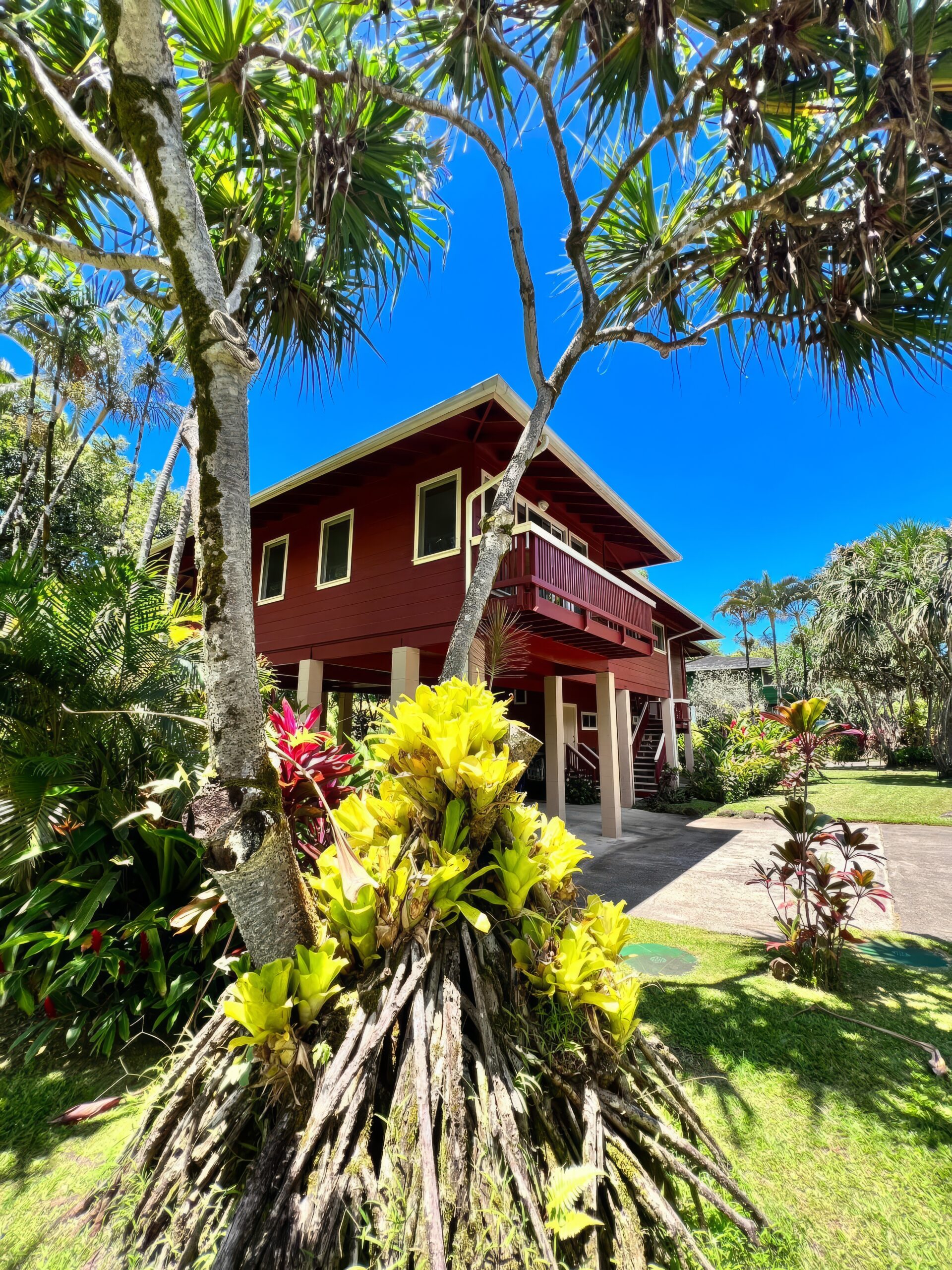
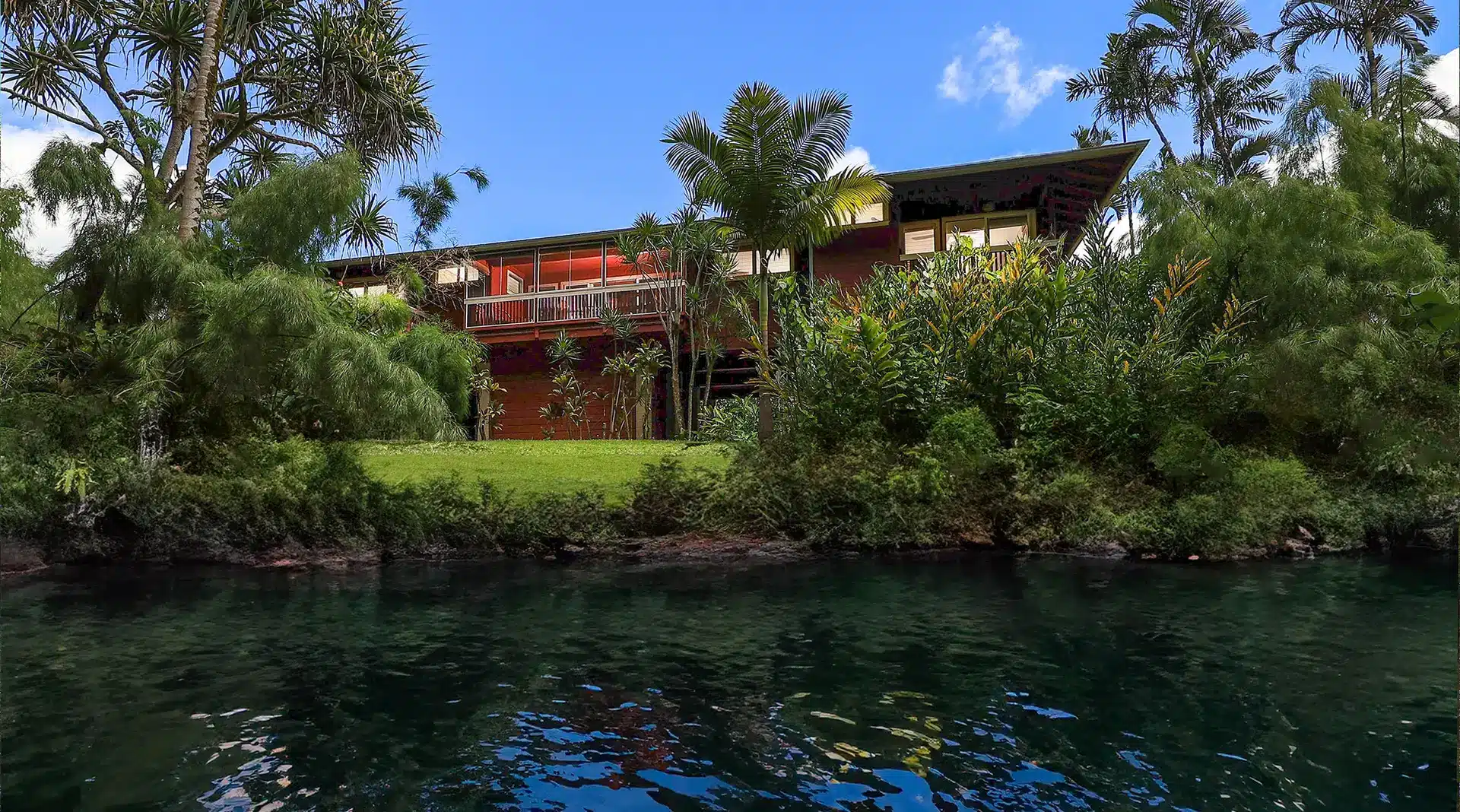
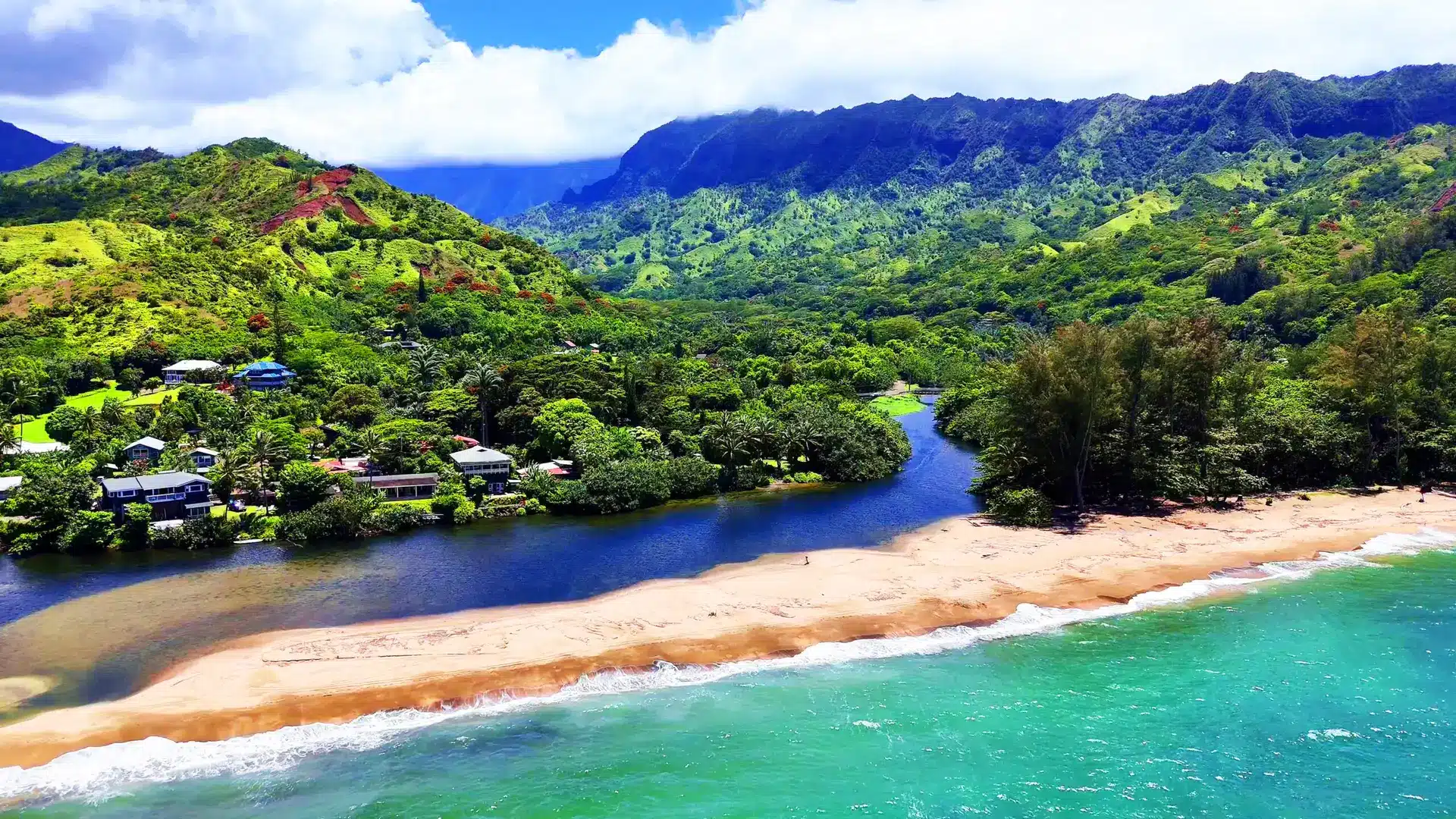
Guests at River Estate have a unique option that other visitors don’t: kayaking directly from the property to a private beach that’s perfect for beginner snorkeling. The gentle river paddle takes about 5 minutes, and you arrive at a secluded stretch of beach where the reef is accessible and the water is calm on most summer mornings. Mark can advise guests on the best tide windows for this paddle — timing it right makes all the difference. Many guests find that their most memorable snorkel of the entire trip is this private beach, reached in a kayak from their backyard.
Before You Go
Grab Mark’s Free North Shore Kauaʻi Insider’s Guide
Everything above is just the beginning. Mark’s free 16-page guide covers the 7 mistakes, the complete North Shore game plan, where locals eat, and spots most visitors never find — all in one free download.
n
Best Snorkeling Beaches on Kauai
n
For the ultimate snorkeling experience, our Tunnels Beach guide covers the island’s most spectacular reef in detail. If you prefer calmer, shallower water, Anini Beach has year-round snorkeling behind a protective reef. See all the best beaches in Kauai ranked by activity.
n
Snorkel gear is already here
Stay five minutes from Tunnels with masks, fins and boogie boards provided.
North Shore Kauai vacation rentals →Hanalei area rentals