
Kauaʻi Winter Travel Guide: North Shore in December, January, February
The honest truth about visiting the North Shore of Kauaʻi in winter: it’s spectacular, dramatic, and completely different from summer. Many visitors come in December, January, or February expecting the same experience they’d have in August, and they’re surprised — sometimes pleasantly, sometimes not. If you know what to expect, winter on the North Shore can be one of the most memorable travel experiences of your life. If you don’t, you might spend a week frustrated that the beaches you came for are closed.
What’s Great About Winter on the North Shore
Fewer Crowds
Winter is genuinely quieter on the North Shore. The summer crowds that fill Hanalei restaurants and back up the one-lane bridges to Haʻena are mostly absent. You can get a table at Bar Acuda on a reasonable notice. The roads feel navigable. The feeling of the North Shore shifts from buzzing tourist destination back toward the small community it actually is. For visitors who want an authentic experience of the place rather than a peak-season tourist parade, winter has real advantages.
Lower Prices
Accommodation prices on the North Shore are typically 20-30% lower in winter than in peak summer. If you’re flexible with dates and not tied to school vacation schedules, you can access the same properties — including River Estate — at meaningfully lower cost. Flight prices also tend to be lower to Kauaʻi in December/January compared to the summer peak.
Humpback Whale Watching
December through April is humpback whale season in Hawaii. These magnificent animals — up to 45 feet long, weighing 40 tons — migrate from Alaska to the warm Hawaiian waters to breed and give birth. You can often see them from shore: breaching, blowing, slapping their tails. Whale watching boat tours operate from Port Allen during this season, and even driving the highway between Lihue and the North Shore, you may catch whale activity just offshore. This is one of the North Shore’s winter gifts that summer visitors don’t get.

Free Download
Mark’s North Shore Insider’s Guide
16 pages of local knowledge most visitors never find — the 7 mistakes, secret spots, where locals eat, and Mark’s personal game plan for the North Shore.
No spam. Instant delivery. Written by a 55-year North Shore resident.
Dramatic Surf to Watch (Not Swim)
The winter surf on the North Shore is legendary among surfers worldwide. Waves at Tunnels can reach 20-30 feet. The power and scale of the ocean in winter is extraordinary to watch from shore. Hanalei Bay becomes a world-class surf break, drawing professional surfers from around the world. You won’t be swimming in it, but watching it — coffee in hand, from the beach or the pier — is genuinely thrilling.
Lush Green Landscapes
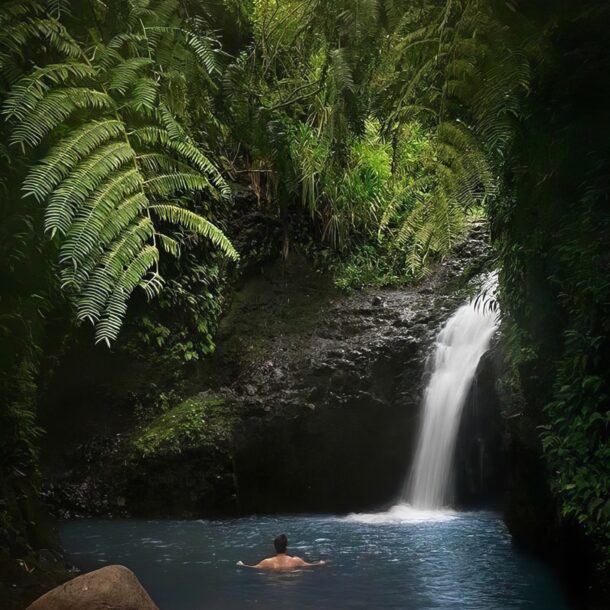
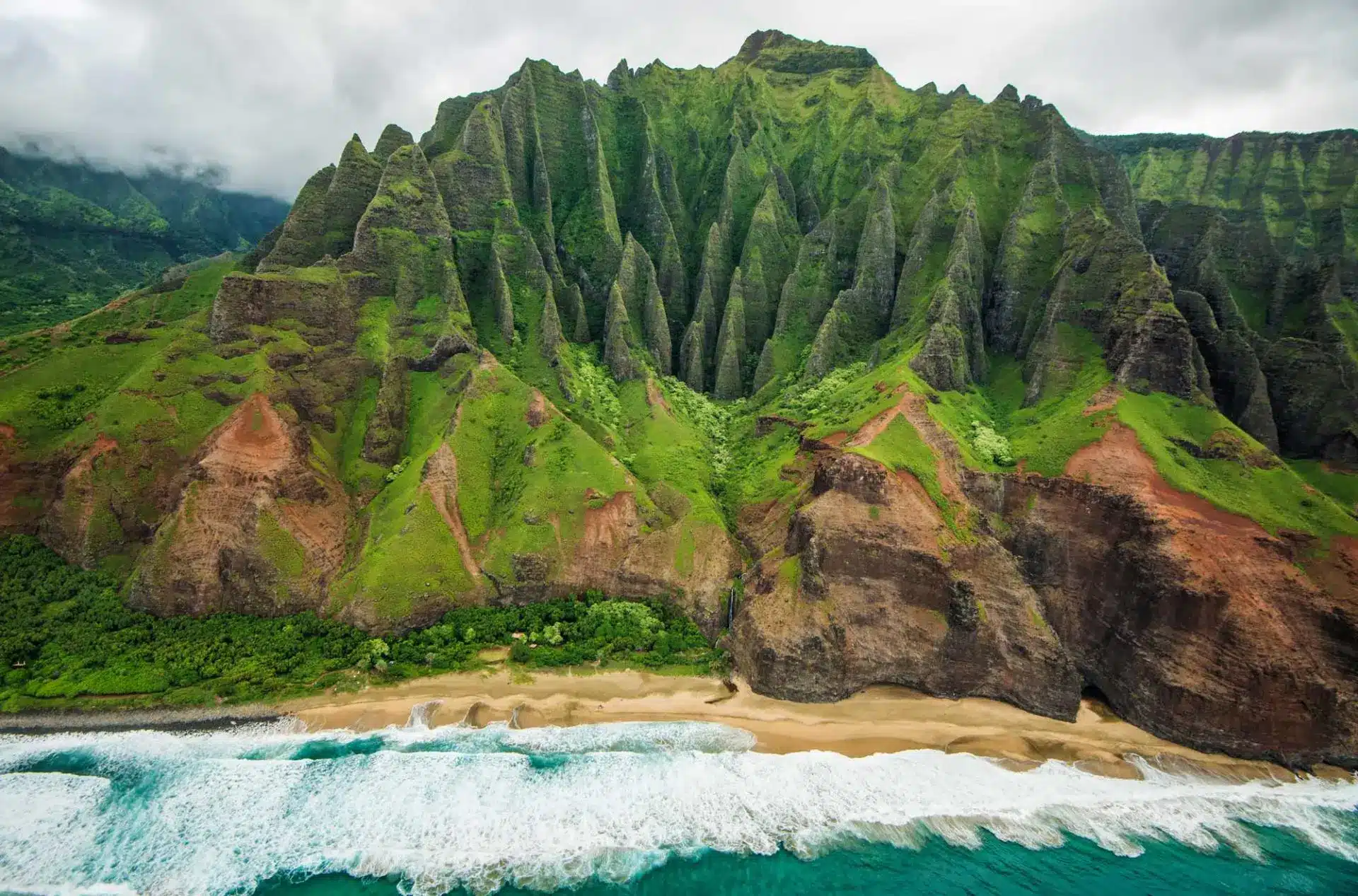
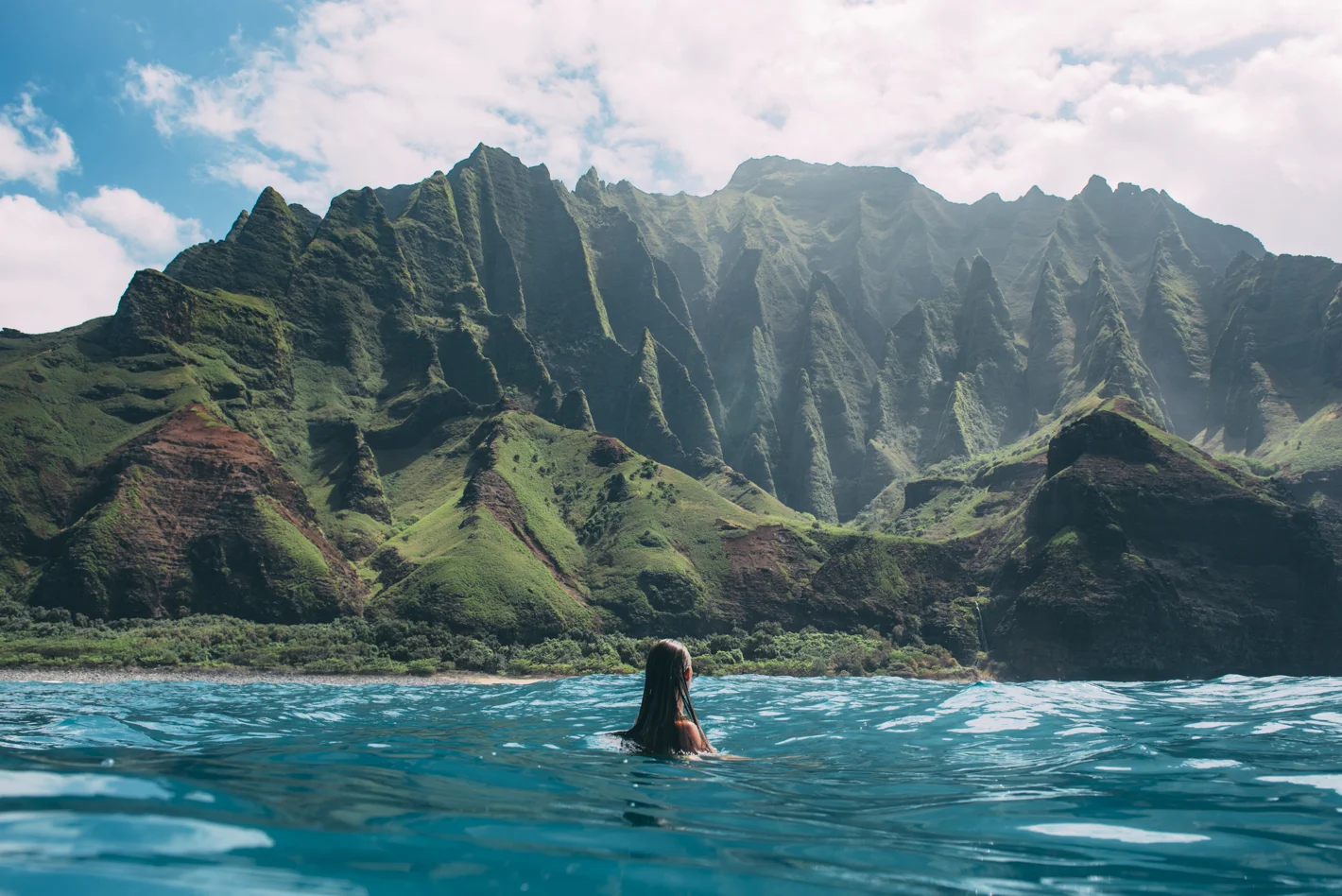
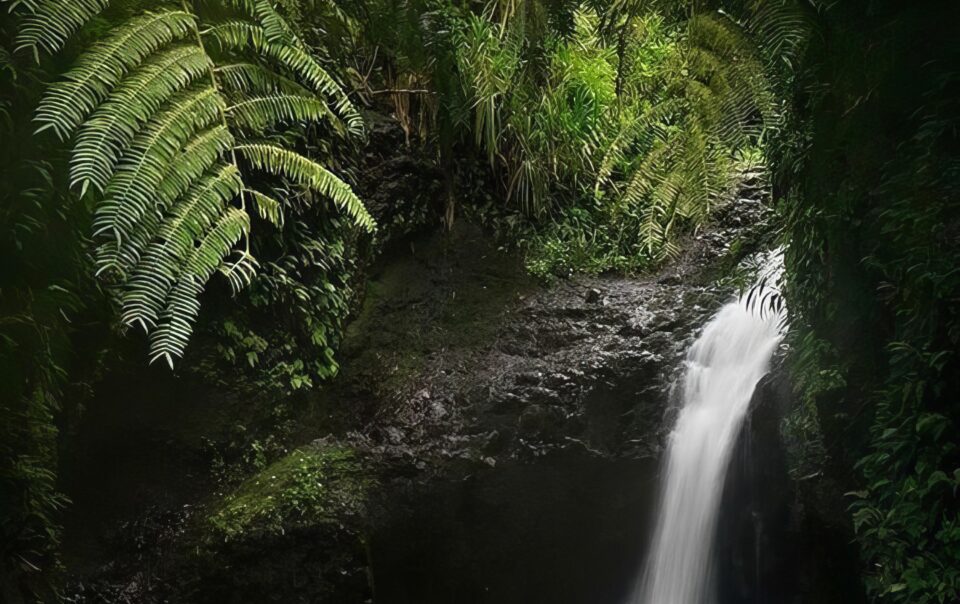
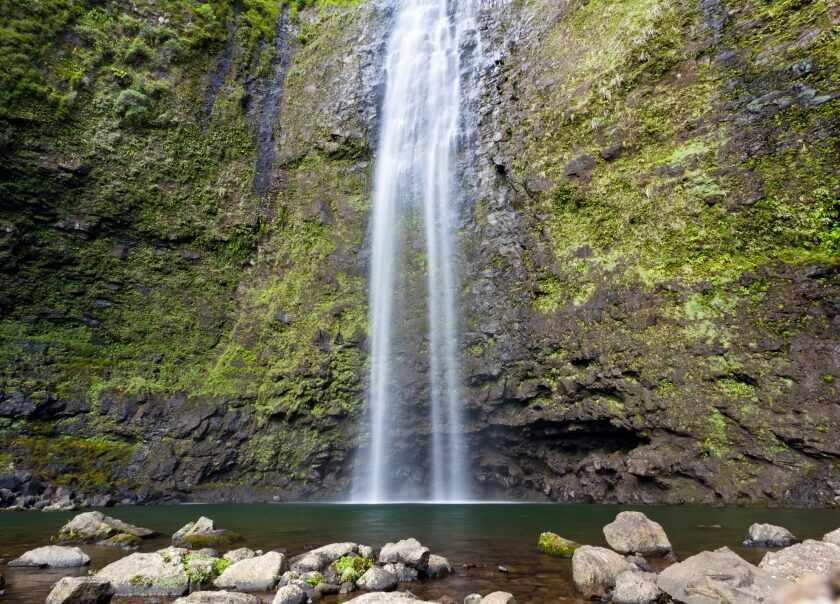
The North Shore in winter is extraordinarily green. The rain that frustrates some visitors is the same rain that makes this landscape one of the most visually stunning on earth. The taro fields glow an impossible green. The mountains are carpeted with vegetation. Every waterfall is running full. Photographers often prefer the winter light and saturation.
What’s Different in Winter: Managing Expectations
North Shore beaches are rough and often closed for swimming. This is the central reality of winter on the North Shore. Tunnels, Haʻena, the Kēʻē lagoon — many of these are affected by winter swell and cannot be safely swum. If your primary goal is snorkeling at Tunnels or swimming at ʻAnīnī, winter is not your season. ʻAnīnī is actually one of the more protected spots and can be swimmable more often than others, but the reef lagoon experiences winter swell differently than summer’s glass-calm water.
More rain. The North Shore receives most of its rainfall in winter — not all day, typically, but more frequently. Plan for days that mix sun and rain showers. Have indoor activities and alternative plans. Embrace the rain when it comes — it’s what makes this place look the way it does.
Some tour operations run reduced schedules or shift to south shore. Boat tours to Nā Pali from Hanalei Bay don’t operate in winter — the ocean is too rough for small boats near the Nā Pali cliffs. Tours that do operate launch from Port Allen on the south side. Kayaking the Nā Pali coast is not available in winter. Helicopter tours operate year-round (weather permitting) and are actually one of the best ways to see Nā Pali in winter.
Winter Activities Worth Doing
Whale watching boat tours: Operating from Port Allen, these tours specifically focus on humpback whale encounters. December-April is the peak season, with January-March being the highest whale density. Worth the drive to Port Allen.
Waimea Canyon: The interior can have less cloud cover in winter (counterintuitive, but true on some days). Driving up to Kōkeʻe and Waimea Canyon is a full-day experience that doesn’t require beach weather.
Hanalei Town: The town itself is wonderful year-round. Winter means more locals, less tourism, and a more authentic experience. The restaurants are operating, the farmers market continues, the coffee shops are full of people sheltering from the rain with their laptops.
Kīlauea Lighthouse: The lighthouse is spectacular year-round, but winter brings Laysan albatrosses that nest on the cliffs — large, graceful seabirds with wingspans up to 6.5 feet. Watching them soar on the updrafts near the lighthouse is one of the distinctive winter experiences of the North Shore.
Adjusting Expectations: Winter Is Spectacular, Just Different
Mark’s framing for winter guests: “You’re not coming to the summer North Shore. You’re coming to the winter North Shore, and that’s its own thing.” The dramatic ocean, the green landscapes, the waterfalls running full, the whales offshore, the authentic community feel — these are winter’s gifts. They’re real, and they’re wonderful. The visitors who enjoy winter most are those who come looking for those things, not trying to replicate the summer experience in different weather.
South Shore as a Day Trip Base
One winter strategy worth knowing: Poipu on the south shore faces south and is dramatically calmer in winter than the north-facing beaches. Poipu Beach is swimmable most winter days. For winter visitors who want protected swimming options, a day trip to Poipu from a North Shore base (about 1.5 hours each way) is worthwhile once or twice during the trip.
River Estate in Winter
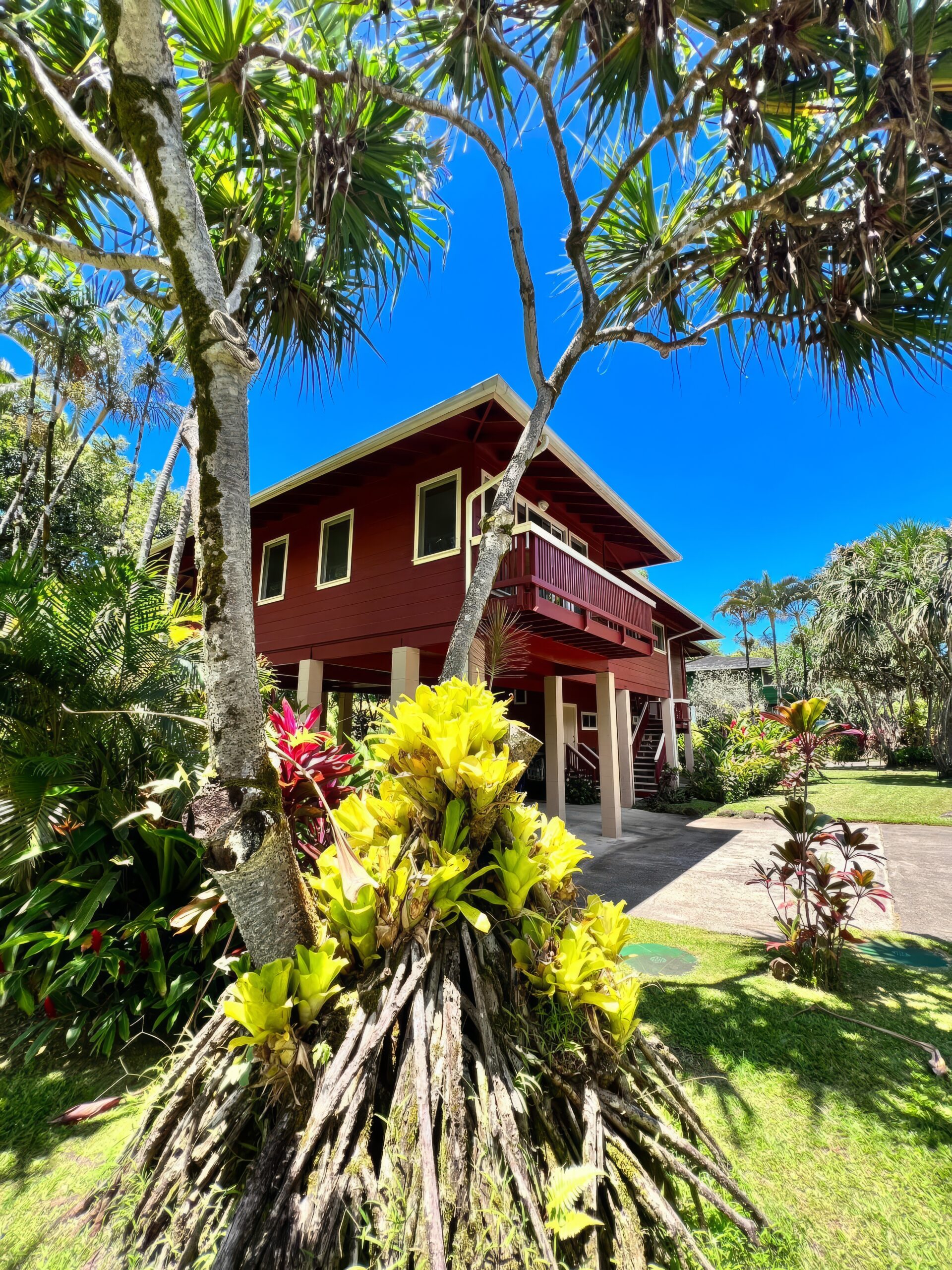
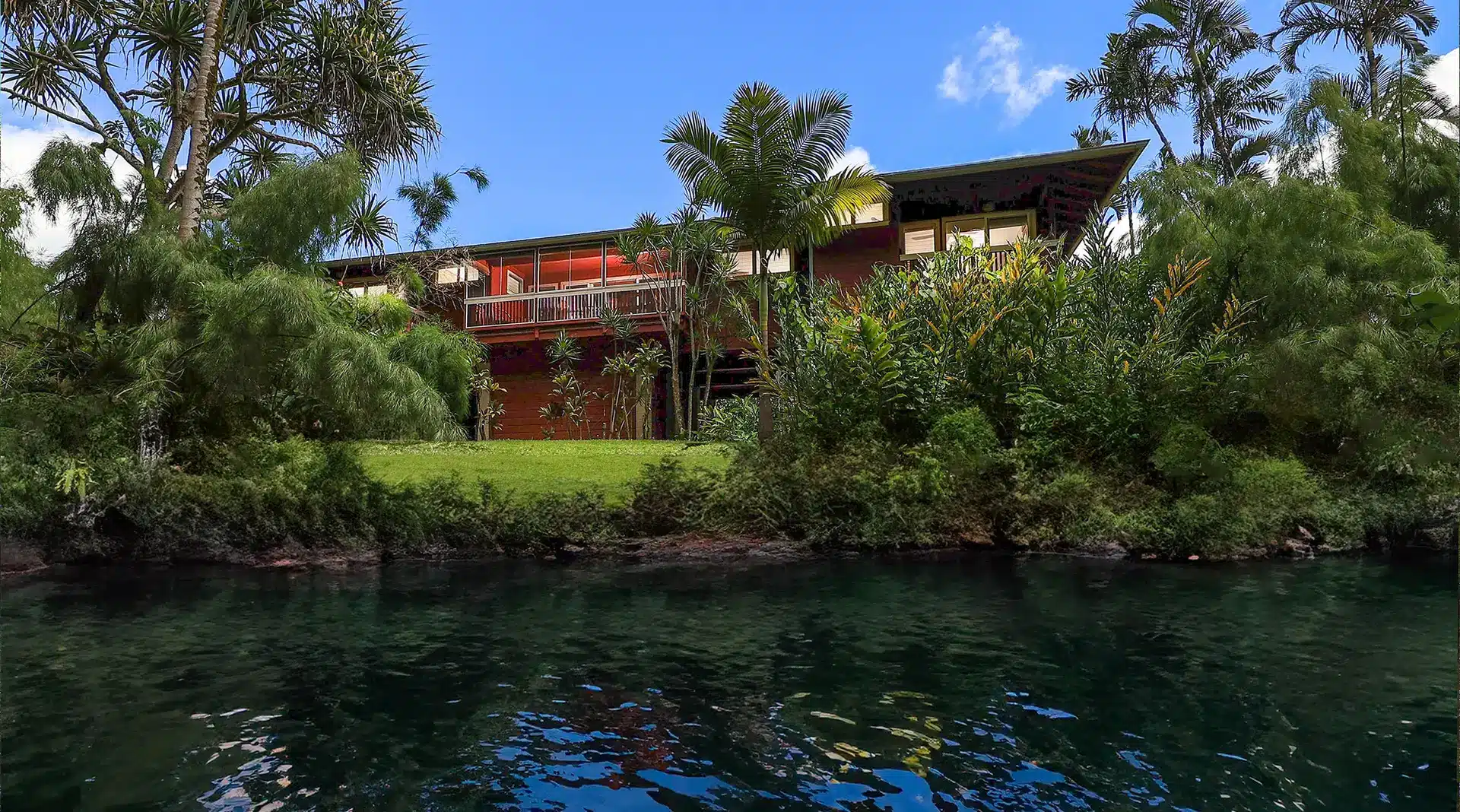
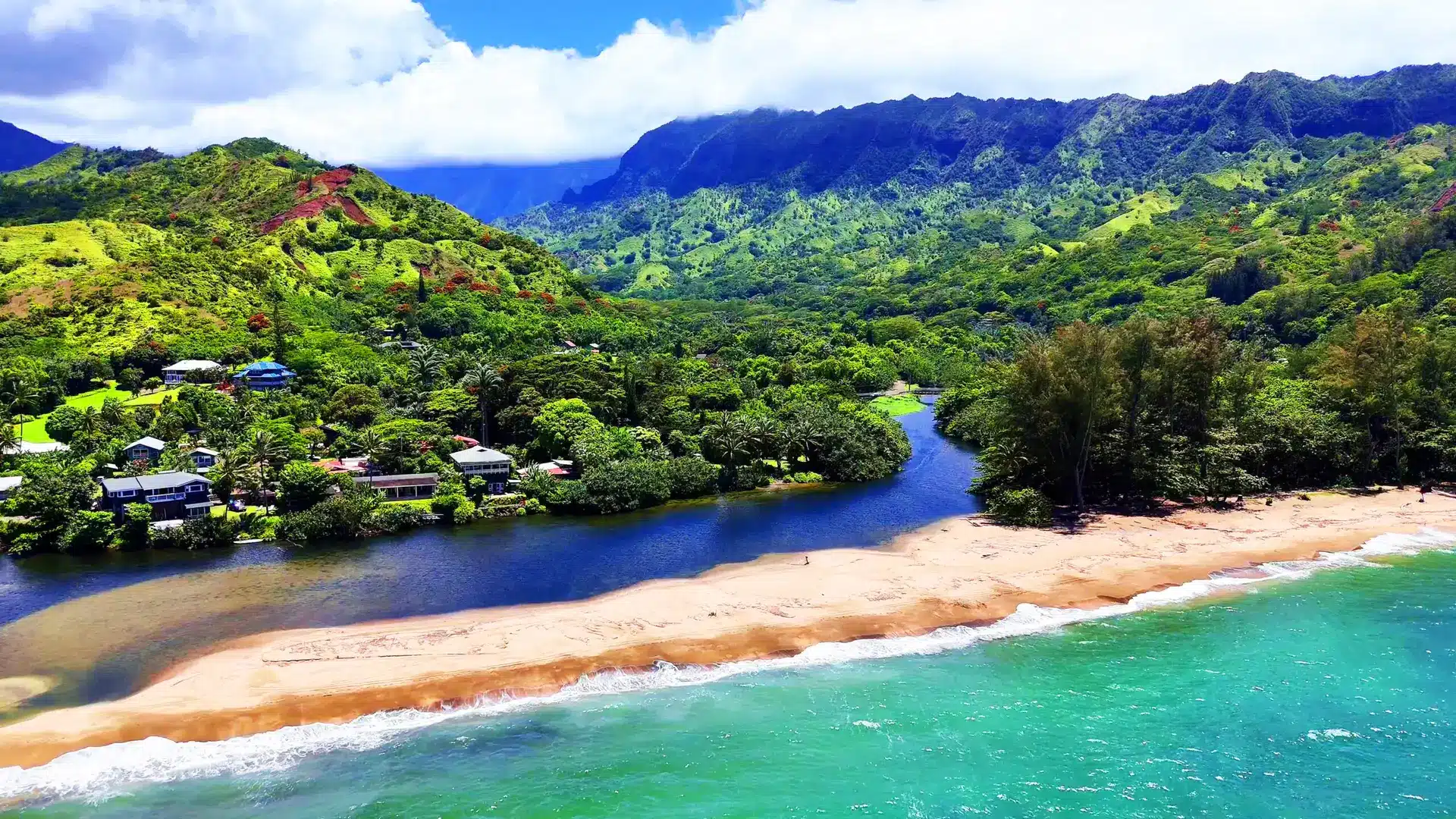
The property is beautiful in winter — arguably more lush and green than in summer, with the river running fuller. River kayaking is still perfectly enjoyable (the river itself is protected from ocean swell). The property is more private in winter — fewer guests overall on the North Shore means fewer people on the river and beach. Some of Mark’s most loyal returning guests specifically prefer the winter season for exactly this reason.
Before You Go
Grab Mark’s Free North Shore Kauaʻi Insider’s Guide
Everything above is just the beginning. Mark’s free 16-page guide covers the 7 mistakes, the complete North Shore game plan, where locals eat, and spots most visitors never find — all in one free download.
n
For all seasons, see our full month-by-month Kauai guide. Winter hiking? Our best hikes guide covers wet-weather trail options.
n
Winter on the river
Green mountains, waterfalls running, and a warm house with a full kitchen.
North Shore Kauai vacation rentals →The Riverhouse