


Is Kauaʻi Expensive? Honest Budget Breakdown for North Shore
Let’s start with the honest truth: yes, Kauaʻi is expensive. It’s one of the pricier Hawaiian islands, and the North Shore is not a budget destination. That said, the way you spend money on the North Shore matters enormously — and knowing where the value is versus where you’re just paying for marketing can save you hundreds of dollars per trip while actually improving your experience.
Flights: When to Book, Which Airport
Lihue Airport (LIH) is Kauaʻi’s only commercial airport, on the eastern side of the island. Direct flights are available from Los Angeles, San Francisco, Seattle, Portland, Denver, and a handful of other major West Coast cities, as well as connecting flights through Honolulu. The direct flights are worth the premium if you can get them — the Honolulu connection adds 2-3 hours to your travel day and often costs almost as much.
Book your flights at least 3-4 months in advance for summer travel. Peak season prices can reach $600-900+ roundtrip from the West Coast, while booking ahead often gets you $400-500 range. The sweet spots for cheaper flights are shoulder season — May/June (before school’s out) and late September/October.
Accommodation: Resort vs. Vacation Rental — The Real Cost Comparison
This is where the cost math gets interesting, and it’s where most North Shore visitors either waste money or find extraordinary value.
A room at a Princeville resort runs $600-1200+ per night before resort fees. Then add: $35-50/night parking, $50-100/person for breakfast (resort restaurants are expensive), $50-100/day for activities the resort charges for (beach equipment, tours booked through the concierge with a markup).
A private vacation rental on the North Shore — a complete home or estate — often costs similar nightly rates but includes a fully equipped kitchen, beach gear already on site, and no resort fees. You cook breakfast from groceries you bought at Costco for $150 that feeds your group all week. You use kayaks and paddleboards that are already there. You’re not paying $30 for a beach chair rental or $20 for a fruit plate at the pool bar.
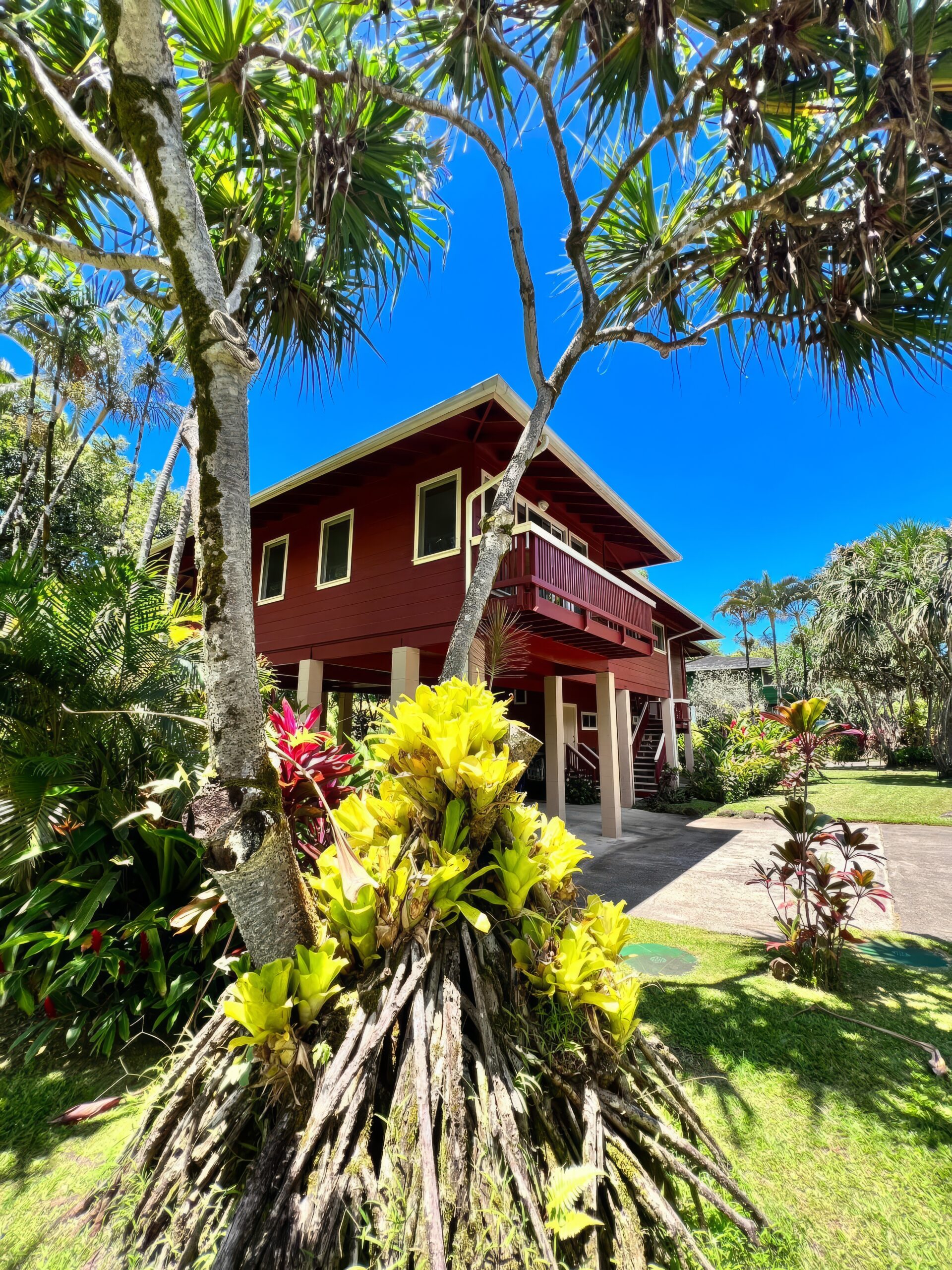
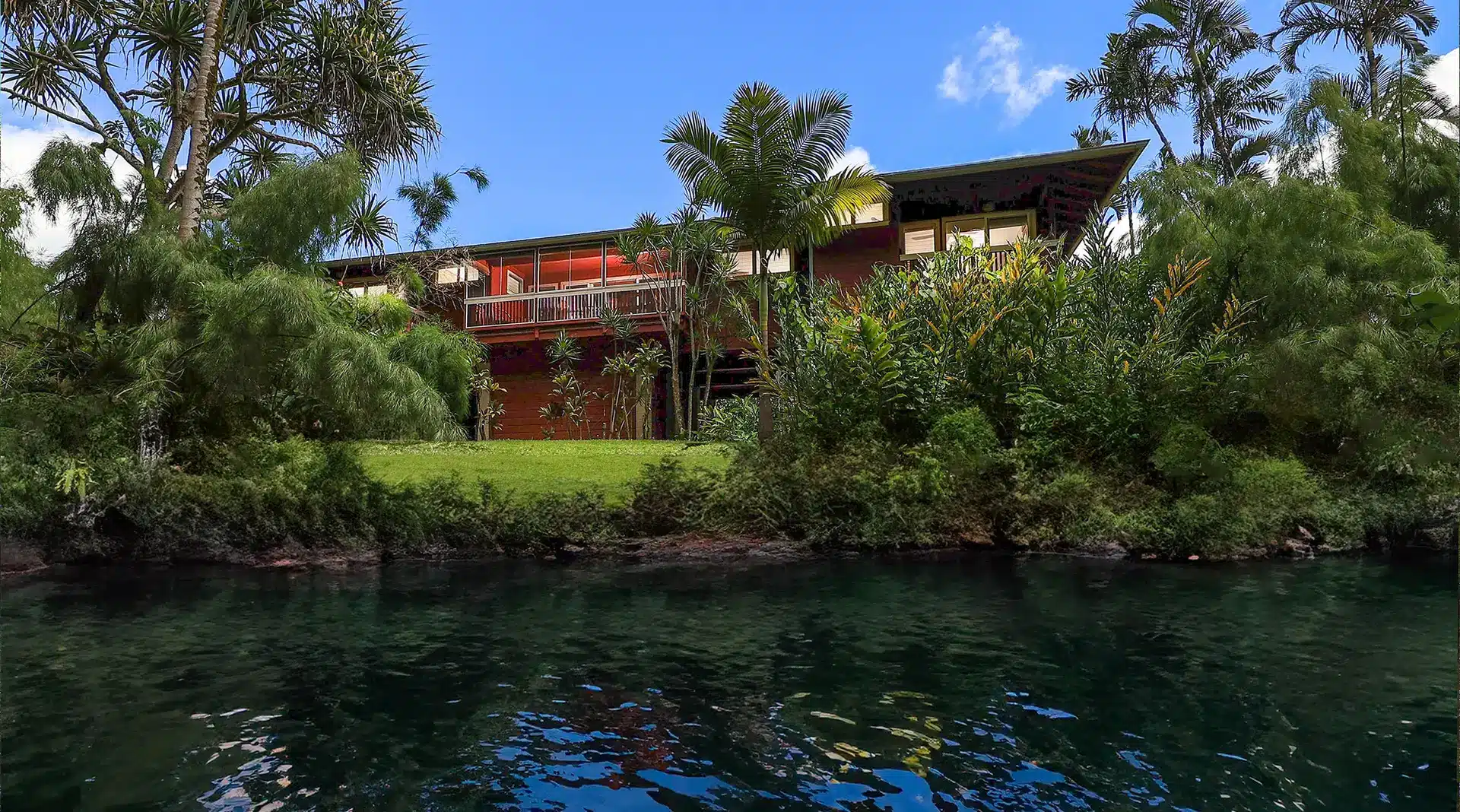
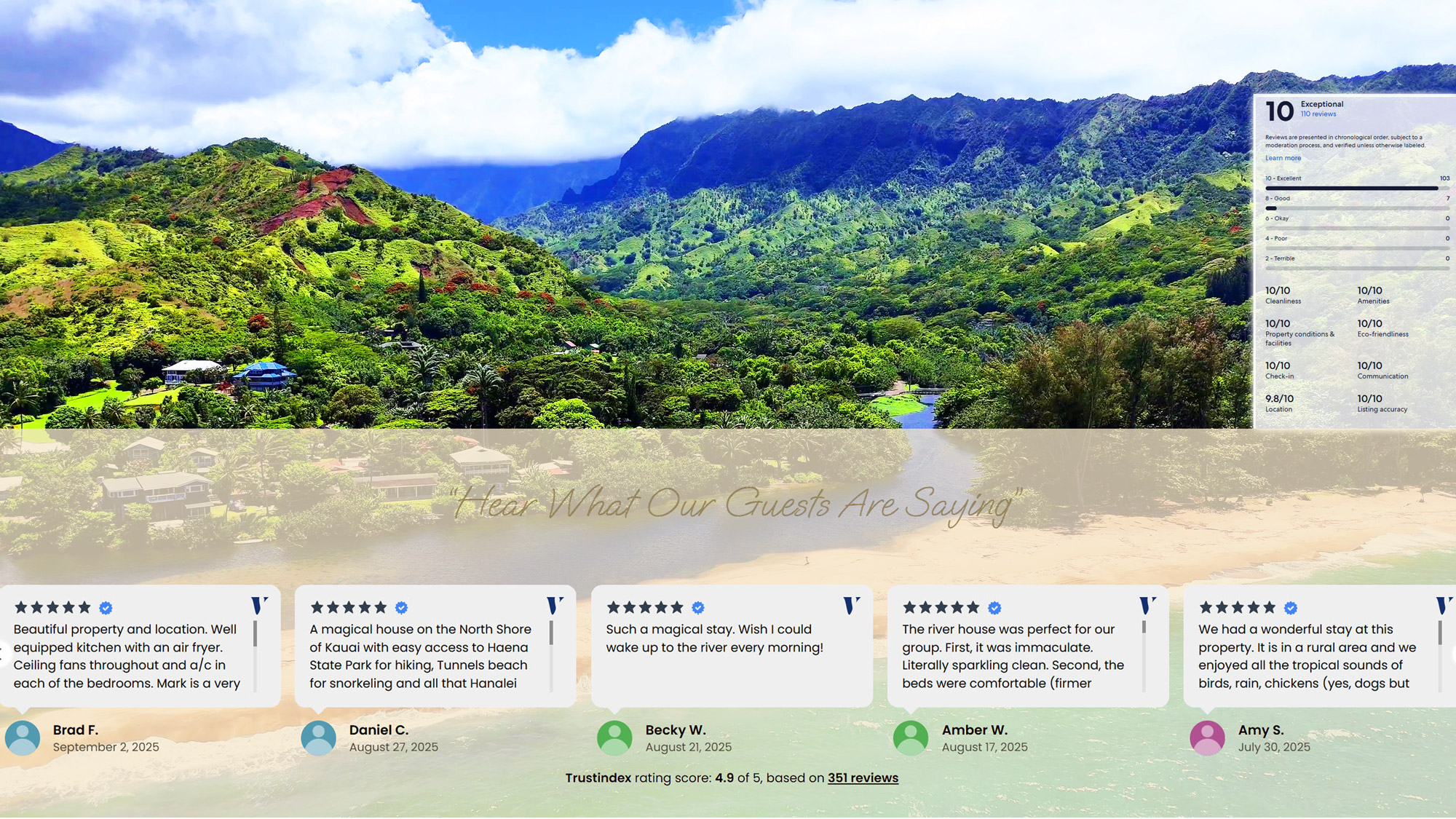
For River Estate specifically: the property includes kayaks, paddleboards, and direct river access to a beach. Guests who cook their own breakfasts and lunches and only go out for dinner typically spend dramatically less than resort guests — while having a more authentic, private, and immersive experience.

Free Download
Mark’s North Shore Insider’s Guide
16 pages of local knowledge most visitors never find — the 7 mistakes, secret spots, where locals eat, and Mark’s personal game plan for the North Shore.
No spam. Instant delivery. Written by a 55-year North Shore resident.
Groceries: The Costco Lihue Strategy
This is one of the most practical tips Mark shares with every arriving guest: stop at Costco in Lihue before you drive up to the North Shore. Costco Kauaʻi sells fresh local fish, produce, wine, snacks, and provisions at mainland prices — sometimes even better. This single stop can save a family of four $200-400 on food for the week.
Once you’re on the North Shore, your grocery options are Foodland in Princeville (good selection, mainland prices), the Hanalei Dolphin Fish Market (excellent fresh fish but expensive), and the farmers market in Hanalei (Wednesday mornings — fresh local produce at reasonable prices). None of these are cheap. Stock up at Costco first.
Free Things on the North Shore
Some of the best experiences on the North Shore cost nothing:
- Sunrise at Hanalei Bay
- Every public beach (Hanalei Bay, ʻAnīnī Beach, Kēʻē Beach)
- The Kalalau Trail (first 2 miles, free; further requires a permit)
- Hanalei Farmers Market (Wednesday mornings)
- ʻOpaekāʻa Falls viewpoint
- Waikapalae Wet Cave
- Kilauea Lighthouse grounds (small fee for the lighthouse, free for the surrounding area)
- Watching surf at Tunnels or Hanalei Bay
Where NOT to Waste Money
Resort-booked tours: Any activity booked through a hotel concierge has a 20-30% markup. Book directly with the operators (Blue Hawaiian Helicopters, Na Pali Riders, etc.).
Luaus: The commercial luaus on the island are expensive ($200+/person) and deliver a sanitized tourist experience rather than authentic Hawaiian culture. Skip it.
Resort dining every night: One nice dinner at Bar Acuda or the Dolphin is worth it. Eating out every night at North Shore prices will drain a budget faster than almost anything else.
Mark’s Honest Take: Why the Math Works on the North Shore
After 55 years of hosting guests on the North Shore, Mark has watched the economics of Kauaʻi vacation thoroughly. His conclusion: guests who stay at a private rental on the North Shore, stock up at Costco on arrival, use the gear already at the property (kayaks, paddleboards, snorkel equipment), and cook their own breakfasts and lunches consistently spend less money total — and report higher satisfaction — than guests at resort hotels.
The resort fee structure is designed to extract money at every turn. A private home eliminates most of those extraction points while providing more space, more privacy, and more authentic access to the island’s real character. The North Shore is more expensive per night than the south shore — but guests typically do less paid activity and less restaurant eating because the property itself provides so much.
Before You Go
Grab Mark’s Free North Shore Kauaʻi Insider’s Guide
Everything above is just the beginning. Mark’s free 16-page guide covers the 7 mistakes, the complete North Shore game plan, where locals eat, and spots most visitors never find — all in one free download.
n
Get the most from your budget with our guides to where to stay in Kauai, best restaurants, and free things to do in Kauai. Comparing destinations? See Kauai vs Maui for cost differences.
n
One easy way to lower the total
Booking direct with an owner removes the platform service fee entirely — and the rate you see is the rate you pay.
Kauai vacation rentals by owner →See our published rates